
The Hidden Danger Lurking in Your Toilet: How Fecal Coliforms Are Silently Harming Your Children and Pets
Published by the FizzClean Research Team · January 12, 2025
You wipe the seat. You flush. You close the lid. You think your bathroom is clean. But under the rim of every toilet in the world — even one that looks spotless — millions of invisible fecal coliform bacteria are quietly multiplying. And the people most at risk from them aren't the adults using the toilet. They're the curious toddlers and the four-legged family members who can't read warning labels.
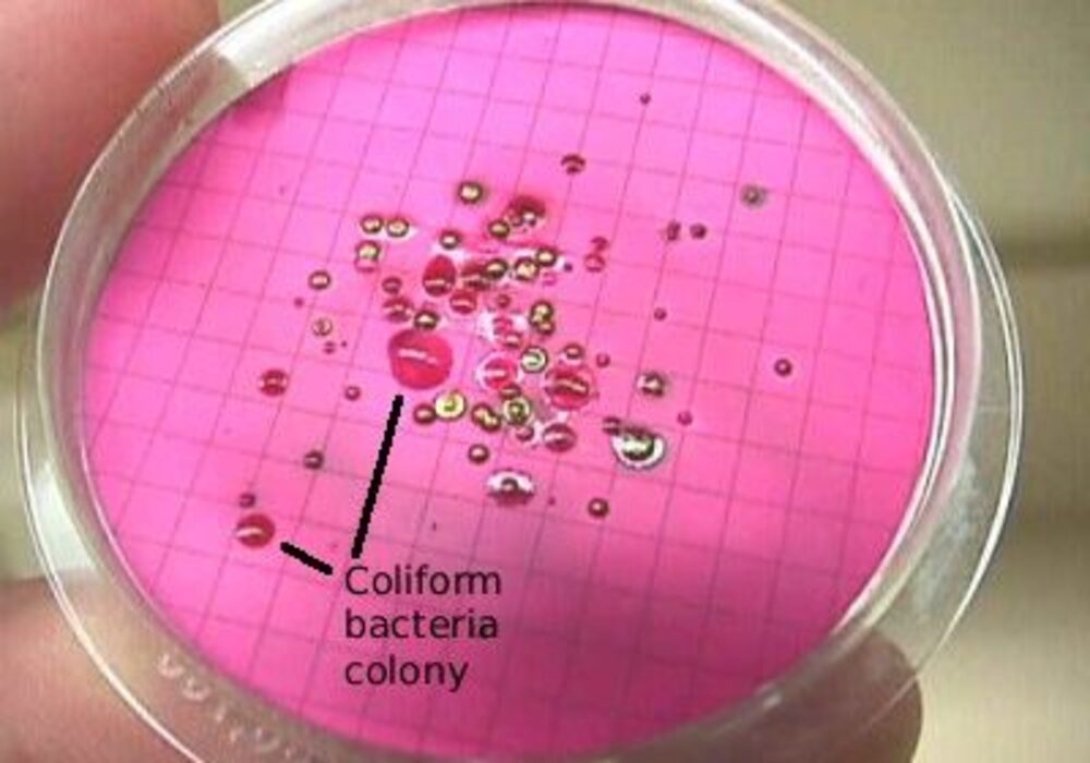
What Exactly Are Fecal Coliforms?
Fecal coliforms are a group of bacteria — including the well-known Escherichia coli (E. coli) — that live in the intestines of warm-blooded animals, including humans. Their natural job is to help digest food. But the moment they leave the body, they become a public-health red flag. Public-health agencies around the world test for them precisely because their presence indicates one thing: fecal contamination.
Inside your toilet bowl, fecal coliforms aren't just present — they thrive. The water is warm. There's organic matter. There's no sunlight. It's a microbial paradise. And every time you flush with the lid open, a phenomenon scientists call the "toilet plume" launches a fine aerosol of contaminated droplets up to 5 feet (1.5 meters) into the air, settling on toothbrushes, towels, countertops, and floors.
A 2022 study published in Scientific Reports visualized toilet plumes with green lasers and confirmed that thousands of micro-droplets are ejected per flush — many small enough to remain suspended for over 20 seconds.
Why Children Are in the Most Danger
Children under five do three things that turn a contaminated bathroom into a real medical risk:
- They explore with their hands. Toilet rims, bowl edges, and the floor around the toilet are at the perfect height for tiny fingers.
- They put hands in their mouths. The CDC estimates a toddler touches their face over 80 times per hour.
- Their immune systems are still developing. A bacterial dose an adult would shrug off can hospitalize a small child.
The result is a list of illnesses that are heartbreakingly common in households with poorly disinfected bathrooms: gastroenteritis, persistent diarrhea, urinary tract infections, and — in severe E. coli O157:H7 cases — hemolytic uremic syndrome (HUS), a leading cause of acute kidney failure in young children. According to the WHO, diarrheal disease remains the second leading cause of death in children under 5 worldwide, and contaminated household surfaces are a major vehicle of transmission.
And Then There Are the Pets
If you have a dog or a cat, you already know: at some point, they have drunk from the toilet bowl. It's warm, it moves, it smells interesting. To them, it's the world's most exciting water fountain. To a microbiologist, it's a bacterial cocktail.
Pets that drink from contaminated toilets are exposed to the same fecal coliforms — plus residues from harsh chemical cleaners that, ironically, many people use to "fix" the problem. Veterinary clinics routinely treat dogs for vomiting, diarrhea, and lethargy traced back to contaminated water sources at home. Cats, who groom themselves obsessively, can transfer bacteria from their paws to their fur to their tongues — and ultimately back to your couch, your bed, and your child's lap.
A quick note from our team: the simplest way to break this contamination cycle is to disinfect the toilet — including under the rim, where most products never reach. That's exactly the problem we built FizzClean to solve. See how FizzClean works →
Why "Looking Clean" Isn't Clean
Most people clean their toilet by scrubbing the visible bowl with a brush and a liquid bleach product. The problem? Three things happen that you don't see:
- The brush itself becomes contaminated. A 2019 microbiology study found the average household toilet brush carried more fecal bacteria than the toilet rim it was used on — and re-deposited them on every subsequent clean.
- Liquid cleaners drain to the bottom in seconds. Gravity pulls them straight to the water line, leaving the rim, the underside, and the upper bowl walls almost untouched.
- Stains return because biofilm wasn't broken. Bacteria don't just sit on surfaces; they build a slimy protective matrix called biofilm. If you don't dissolve the biofilm, the stains — and the bacteria — come right back.
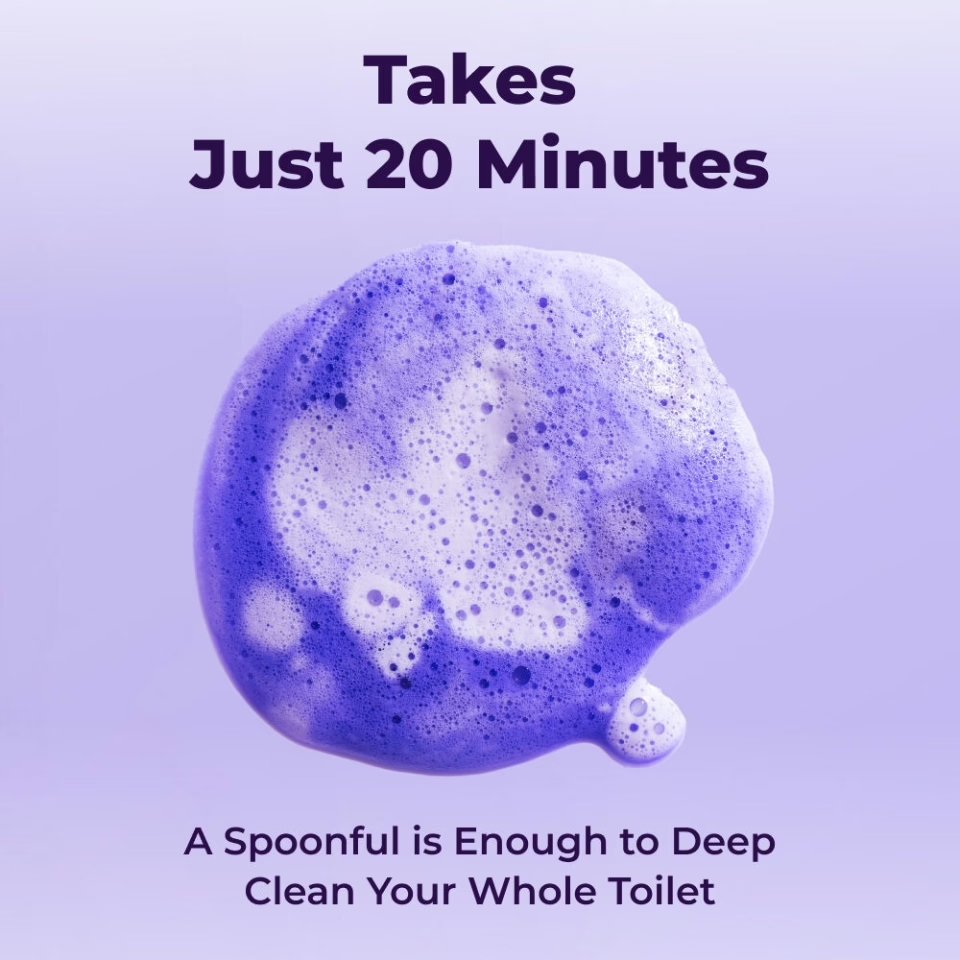
The Science of Foam: Why It Changes Everything
This is where the chemistry of active foam matters. When you drop a FizzClean tablet into the bowl, two things happen at once:
1. A controlled effervescent reaction — similar to the one in antacid tablets — releases billions of micro-bubbles. These bubbles are large enough to physically lift away organic debris, but small enough to expand upward and outward, coating every interior surface, including the underside of the rim and the trap that no brush can ever reach.
2. The foam carries the active disinfectant in suspension, holding it against vertical surfaces for several minutes — long enough to break down biofilm and neutralize fecal coliforms (including E. coli) at a kill rate of 99.9%. No scrubbing. No splashing. No chemical fumes filling the room your child is about to walk into.
What this means in practice
- The hidden bacterial reservoir under the rim is finally addressed.
- Toilet plume aerosols start with a far lower bacterial load — meaning less spread to toothbrushes and counters.
- Pets that sneak a drink are exposed to dramatically fewer pathogens.
- You don't need to handle a contaminated brush.
What Pediatricians and Vets Quietly Recommend
Ask any pediatrician about preventing recurring stomach bugs in toddlers and you'll hear the same unglamorous advice: wash hands, keep the bathroom disinfected, and close the lid before flushing. Ask any veterinarian about preventing GI issues in dogs and they'll add: don't let pets drink from the toilet. Both are excellent advice. Both are also nearly impossible to enforce 100% of the time in a real household with real children and real pets.
The realistic answer isn't to police every flush and every thirsty dog. It's to make sure the source — the toilet itself — carries the lowest possible bacterial load at all times. That's what consistent, deep-reaching foam disinfection actually delivers.
The Simple Habit That Protects Your Whole Family
You don't need to overhaul your routine. You don't need a hazmat suit. You need 30 seconds, twice a week.
- Drop one FizzClean tablet into the bowl.
- Watch the foam expand and coat every surface — including the ones you've never actually cleaned.
- Flush after a few minutes. Done.
That's the entire intervention. No brush. No gloves. No fumes. Just a measurable reduction in the bacterial population that's been quietly putting your kids and pets at risk.
Protect Your Family From What You Can't See
Join thousands of households already using FizzClean to eliminate 99.9% of fecal coliforms — including E. coli — with zero scrubbing and zero harsh fumes.
✓ 30-Day Money-Back Guarantee · ✓ Free Shipping Over $50 · ✓ Safe for Septic Systems
This article is for educational purposes only and does not constitute medical or veterinary advice. If you suspect a bacterial infection in a child or pet, consult a qualified healthcare professional.